Review: Native American Embroidery Patterns
First Impressions and Visual Appeal
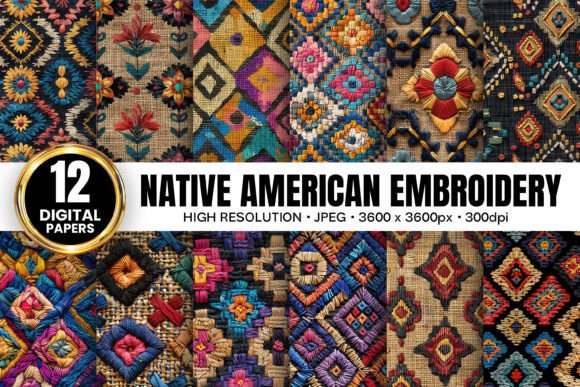
When I first opened the Native American Embroidery Patterns, I was immediately struck by the rich, intricate designs that exude a deep connection to Native American culture. The 12 high-resolution digital papers in the ZIP file are all at 300 DPI, ensuring the highest quality for any embroidery project. Each pattern is presented in JPG format with a resolution of 3600 x 3600 pixels, making them perfect for detailed work.
The patterns feature a blend of traditional motifs and contemporary design elements, creating a versatile and visually appealing set. The level of detail is impressive, with each element carefully crafted to reflect the beauty and complexity of Native American art. These patterns are not just visually stunning; they also carry a sense of history and cultural significance, making them ideal for projects that require a touch of authenticity.
Suitability for Real Embroidery Projects
As an embroidery designer, I'm always on the lookout for patterns that can seamlessly integrate into a variety of projects. The Native American Embroidery Patterns are no exception. They are well-suited for a range of applications, from custom apparel like tote bags and sweatshirts to baby items, caps, patches, and even kitchen towels and pillow covers.
- Tote Bags: The large, bold designs make a statement on tote bags, adding a unique and eye-catching element to everyday accessories.
- Sweatshirts: For sweatshirts, the patterns can be used as a focal point or as a subtle accent, depending on the desired effect.
- Baby Items: The gentle, intricate designs are perfect for baby blankets, onesies, and nursery decor, providing a soft and welcoming touch.
- Kitchen Towels and Pillow Covers: These patterns add a decorative and functional element to home textiles, making them both beautiful and useful.
Practical Considerations for Embroidery
While the Native American Embroidery Patterns are visually stunning, it's important to consider their practical use in real embroidery work. Here are some key points to keep in mind:
- Small Hoop Sizes: Some of the more intricate designs may require larger hoop sizes. Test on scrap fabric to ensure the design fits your machine's capabilities.
- Dense Stitch Areas: Dense stitch areas can be challenging on stretchy or textured fabrics. Use a proper stabilizer to prevent puckering and ensure clean, crisp lines.
- Dark Fabric: When using these patterns on dark fabric, check the thread color contrast to ensure the design stands out. A good rule of thumb is to use lighter threads for better visibility.
- Curved Cap Surfaces: For cap embroidery, the patterns may need to be resized or adjusted to fit the curved surface. Test on a flat piece of fabric first to get a feel for how the design will look.
- Layered Details: Inspect small details after stitching to ensure they are clean and well-defined. This is especially important for layered designs, where precision is key.
Impact on Product Value and Brand Consistency
The Native American Embroidery Patterns can significantly enhance the value and appeal of your handmade products. The high-quality, culturally rich designs add a layer of authenticity and sophistication, making your items stand out in a crowded market. Whether you're selling on Etsy, at craft fairs, or in a boutique, these patterns can help establish a consistent and professional brand image.
Buyer trust is crucial in the handmade and custom apparel industry. Using these patterns can help build that trust by offering a product that is not only visually appealing but also thoughtfully designed and well-executed. The attention to detail and cultural significance of the patterns can make your products more giftable and memorable, enhancing customer engagement and satisfaction.
Final Thoughts and Practical Tips
Before using the Native American Embroidery Patterns for commercial embroidery or handmade projects, here are some practical tips to ensure the best results:
- Test on Scrap Fabric: Always test the design on a scrap piece of fabric to check for any issues with stitch density, color, or placement.
- Check Thread Color Contrast: Ensure that the thread colors provide enough contrast, especially on dark or textured fabrics.
- Use Proper Stabilizer: Choose the right stabilizer for the fabric type and design complexity to prevent puckering and ensure a clean finish.
- Inspect Small Details: After stitching, inspect the design for any small details that may need adjustment or rework.
- Confirm File Details and Licensing: Before selling finished items, review the file details and licensing terms on the Creative Fabrica product page to ensure compliance.
In conclusion, the Native American Embroidery Patterns are a valuable addition to any embroidery designer's toolkit. Their rich, detailed designs and cultural significance make them a standout choice for a wide range of projects. With careful consideration and testing, these patterns can elevate your handmade and commercial embroidery work, adding both beauty and meaning to your creations.